
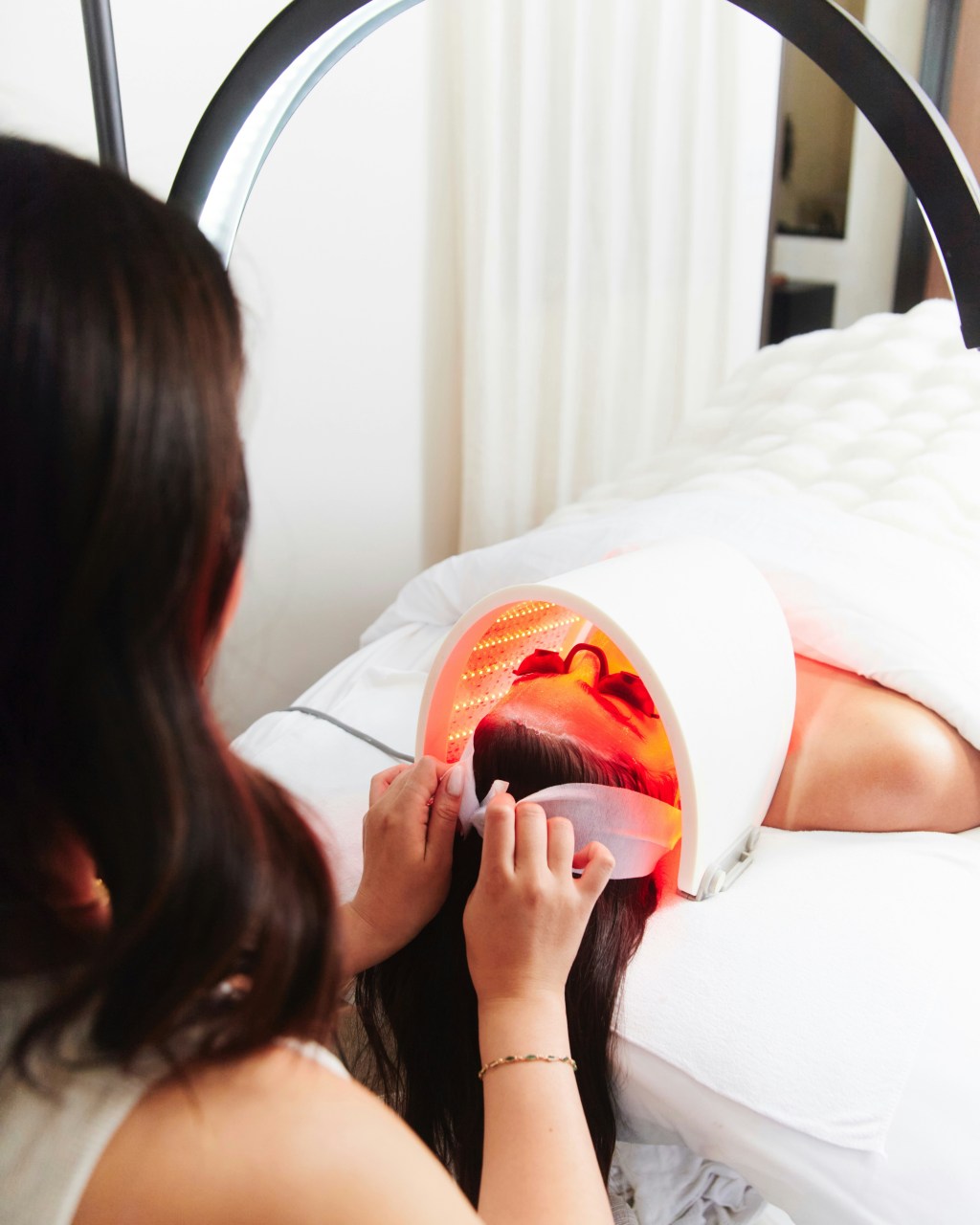
Light therapy, also known as phototherapy or LED (light-emitting diode) therapy, has become an increasingly popular treatment for common skin concerns. It is widely offered in dermatology clinics and medical spas, and a growing number of at-home devices now promise similar benefits. From improving fine lines to helping control inflammatory acne, LED therapy is often promoted as a non-invasive method for supporting skin health. Unlike laser resurfacing or chemical procedures, it typically does not damage the skin surface or require downtime. But how effective is it really?
What Is Light Therapy?
LED light therapy uses specific wavelengths of visible or near-infrared light to influence biological processes in the skin.
Unlike lasers or resurfacing procedures, most LED treatments are:
- Non-ablative (they do not damage the skin surface)
- Non-thermal (they do not rely on heat)
Instead, they work through a process called photobiomodulation, the ability of light to influence cellular activity.
Different wavelengths penetrate the skin at different depths and trigger different responses.
Common wavelengths used for skin health include:12
- Red light (≈600-700 nm, more commonly 630-660nm) – commonly used for anti-aging/ skin rejuvenation as it reaches deeper into the skin dermis
- Near-infrared light (≈800-850 nm, more commonly 810-850nm) – deeper tissue support
- Blue light (≈400-500nm, more commonly 407-420 nm) – primarily used for acne 3,4
When these wavelengths are absorbed by cells, particularly mitochondria, they can alter cellular signaling and metabolism.5
Light Therapy for Aging & Fine Lines
How Red Light Affects Skin
Red and near-infrared light are commonly used in treatments targeting photoaging, the visible skin changes caused by chronic sun exposure.
Research suggests these wavelengths may influence several biological processes involved in skin repair and aging. Laboratory and clinical studies indicate that red light exposure may:1.2
- increase cellular energy (ATP) production
- stimulate fibroblasts, the cells responsible for producing collagen
- promote collagen synthesis
- reduce inflammatory signaling
- improve local microcirculation
Because collagen and elastin provide structural support to the skin, therapies that stimulate fibroblast activity may help improve skin firmness and texture over time.
What Clinical Studies Show
Multiple randomized and controlled trials have examined LED therapy for skin aging.
Across studies, researchers have observed:1.2, 6
- modest improvements in skin elasticity
- smoother skin texture
- small reductions in fine wrinkle depth
- increased collagen density
Most studies report measurable improvements after 2-5 treatments per week for 8-12 weeks.
Importantly, the effects develop gradually because collagen remodeling occurs slowly.
LED therapy is therefore best viewed as a supportive treatment rather than a replacement for more intensive procedures such as lasers, microneedling, or injectable treatments.
Light Therapy for Acne
How Blue Light Targets Acne Bacteria
Blue light therapy is most commonly used to treat mild-to-moderate inflammatory acne.
The bacterium involved in acne development, Cutibacterium acnes, naturally produces molecules called porphyrins. These molecules absorb blue light (around 415 nm). When activated, they generate reactive oxygen species that damage the bacteria.1
In simple terms, blue light helps reduce acne-causing bacteria directly within the follicle.
What the Evidence Shows
Clinical studies of blue light therapy report:5
- reduction in inflammatory lesion counts
- improvement in local inflammation
- reduced size of acne papules and pustules
Across trials, reductions in inflammatory lesions often range between 35% and 85% after 4-12 weeks of consistent treatment.1
However, outcomes vary widely depending on:
- device intensity
- treatment frequency
- baseline acne severity
Blue light therapy tends to work best for mild to moderate inflammatory acne rather than severe cystic acne.
Why Red + Blue Light Is Often Combined
Many dermatology clinics and at-home devices use combination light therapy.
This approach leverages two mechanisms:
- Blue light: reduces acne-causing bacteria
- Red light: reduces inflammation and may support healing
Together, they may improve outcomes compared with blue light alone.7
Clinical Devices vs At-Home Devices
One important distinction in the research is that most clinical studies use medical-grade devices.
These typically deliver:
- higher irradiance (light intensity)
- controlled treatment protocols
At-home devices generally produce lower energy output, which may lead to:
- slower results
- more modest improvements
This does not mean home devices cannot work, only that consistent use is essential.
Advantages of Light Therapy
One reason LED therapy has gained popularity is its favorable safety profile.
Most clinical studies report:
- minimal discomfort
- no downtime
- very low rates of adverse effects
Occasionally, mild temporary redness may occur after treatment.
Unlike tanning devices, LED therapy does not use ultraviolet (UV) light, so it does not increase skin cancer risk.
When Caution Is Recommended
Although generally safe, light therapy may not be appropriate for everyone. Extra caution is recommended for people who:
- take photosensitizing medications (such as doxycycline or amiodarone)8
- have light-sensitive conditions or pigmentary disorders like lupus or melasma
- use topical products that increase photosensitivity
If you are using treatments like retinoids, chemical exfoliants, or photosensitizing medications, consulting a healthcare professional before starting therapy is recommended.
What Results Should You Realistically Expect?
For fine lines and skin aging, you may notice:
- gradual improvement in skin texture
- mild reduction in fine lines
- improved overall appearance (tone and texture)
Results typically appear after 8-12 weeks of regular treatment.
For acne, you may see:
- fewer inflammatory breakouts
- reduced redness
- smaller acne lesions
Improvement often appears within 4-12 weeks of consistent treatment.
LED therapy works best as part of a broader acne management plan alongside a personalized protocol..
LED light therapy is a safe, non-invasive treatment that can provide modest improvements in skin aging and acne when used consistently.
Current evidence suggests:
- red light may support collagen production and skin repair
- blue light can reduce acne-causing bacteria
- combination therapy may enhance results
However, results tend to be gradual and moderate, and LED therapy works best as one component of a comprehensive skincare strategy rather than a standalone solution.
References:
8. Montgomery S, Worswick S. Photosensitizing drug reactions. Clin Dermatol. 2022;40(1):57-63.


